Friday, 24 August 2012

French Predators

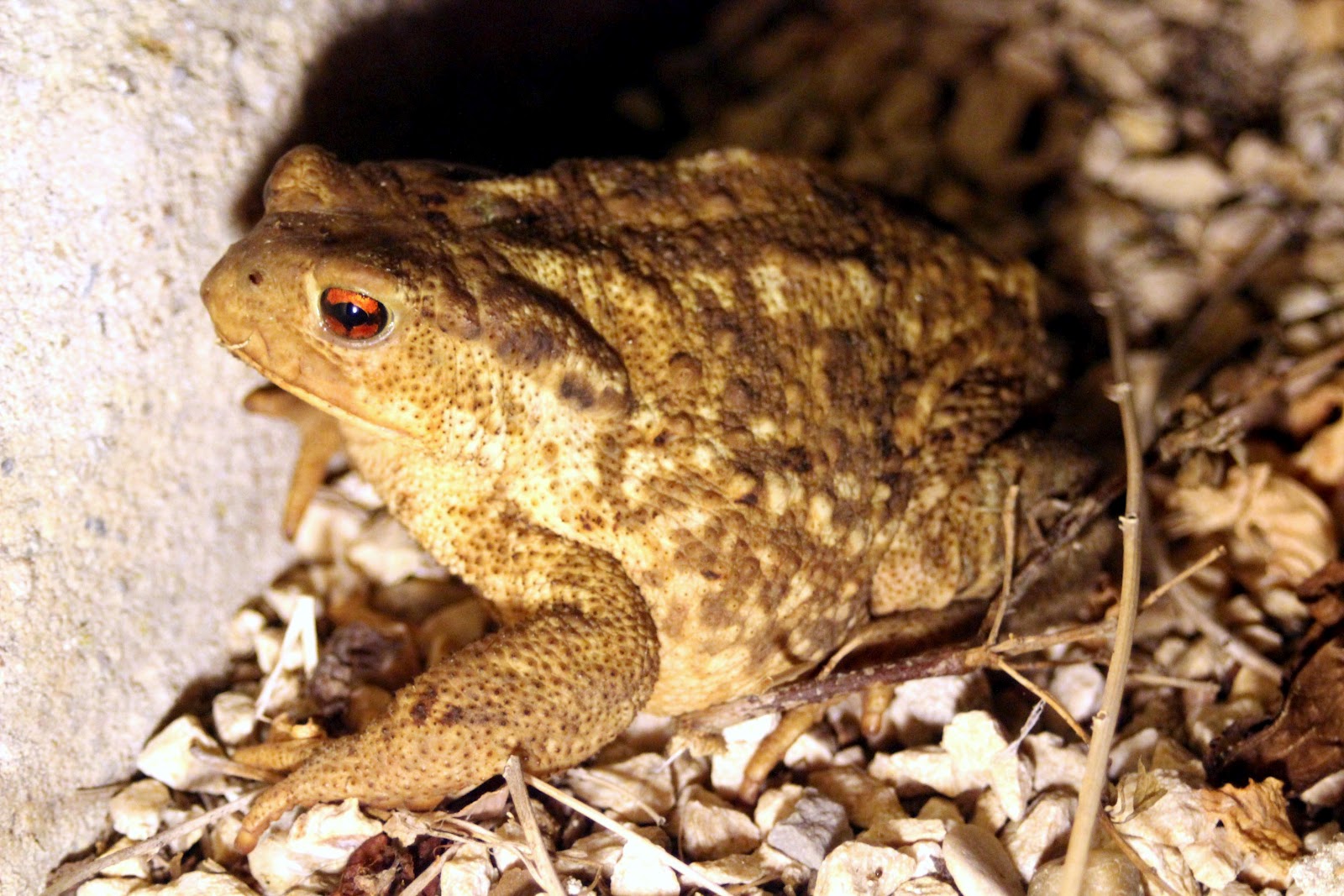
Here in the south of France the multiple insects have multiple predators. The evenings are alive with the whir, hum and buzz of cicaadas and crickets but the air is also full of bats, the walls and floors alive with scuttering lizards, preying mantis and wasp spiders stalk the flower beds and the garden hides multiple green frogs and huge toads.


The noises of the night-time crickets and cicadas are so incredibly loud, and also quite distinct and recognisable, whether they are the same insects making different noises or all different species I can't say.


Wednesday, 22 August 2012

Wonderful French Moths

I have been surprised by the variety of moths here, although dead ones are hard to find. As I gingerly picked up an insect from the wall, thinking it was some sort of leaf bug, I was slightly shaken by the suddenly vigorous moth I had in my hand, a large 'oak eggar', which was sitting like a large out of place birch leaf on the plaster of the house wall in broad daylight. There are hawk moths everywhere and large 'garden tigers' feeding on the lavender beds. The most wonderful moths however are the multiple hummingbird hawk moths which dance in little gangs over the lavenders taking nectar from the flowers. The are quite astonishingly fast and unable to keep up with them, to use the auto focus on the camera, I resorted to hastily manually focussing and jigging about trying to keep one in frame as it stopped at each flower to hover beautifully for a fraction of a second before moving on.


In the evening, as we sat in the open sided dutch barn, we could watch the many moths come and go in the lamp light, with the occasional bat zipping in out of the dark to take advantage of the distracted oasis of insects. I took a few long exposure shots of the lights with the moths coming and going and this 60 second exposure captures at least something of the number of visitors, their erratic paths leaving reflected trails against the dark sky.


Tuesday, 21 August 2012

Enjoying the unfamiliarity of French wildlife.

Sitting up late at night pinning out my found dead or pool drowned insects and drawing on my art box.


 There are such a wonderful profusion of insects here and I am reminded of Alfred Russel Wallace's notes when he first encountered the rainforests of south America and was overwhelmed by the number of species. I have yet to get to a rainforest (one day soon !)  but even by driving 700 miles or so south into France, the environment and creatures are so different. Familiar buzzards and recognisable moths but many other more exotic species such as the hummingbird hawk moths, preying mantis, strange hornets, lizards and giant toads.


The frogs in the pond are clearly also a different species and are much greener, I am tempted to say they are edible frogs but they could be pool frogs, they are certainly nearly impossible to photograph as they shoot underwater if you move anywhere near the pond. I went out tonight to release a large cricket that I had been drawing and nearly stepped on a huge toad, perhaps the size of 2 tennis balls and bigger than any toad i've seen in the UK. Quite passive and easy to pick up and having drawn it also I nearly stepped on a second sitting below the outside light presumably waiting for moths and other insects drawn by the light.


On a walk to the river it was easy to count at least 6 types of grasshopper and cricket as they scurried or jumped from the grass as you walked along. I also found another of the large bright green lizards, only briefly seen previously in the lavender beds, by the logs by the river and managed to show the children but there was no sign of the catfish that I had seen on the surface of the water earlier in the week as after the very sunny weather the surface has bloomed with algae and so the slow moving water is now completely hidden by a mat of growth.


Wednesday, 8 August 2012

Ants and Slugs

In this kingdom of rains where the slug is king I notice that there are other happenings in the natural world. One thing that has become particularly evident in the recent weeks is that there are ants everywhere, both red and black, and that they are clearly on the march, with new nests under everything. I only have to move a sheet of plastic, an old tile, a play-mat or log to uncover a new nest. As such a colony is accidentally discovered all hell breaks loose and the worker ants rush about making the exposed eggs safe and the winged ants run for cover. I imagine that the ants are expanding out from older nests and looking for every opportunity to make their world of tunnels in rain protected sites.

There are also baby slugs everywhere at the moment and I don't recall ever seeing so many young ones.

On a different note, as I drove past Greinton to get wood I saw a little owl flying along a wall, this afternoon at about 3pm, shortly followed by a peregrine falcon, which was a bit unusual.


Friday, 3 August 2012

Weever Fish at Frinton

Lesser Weever. Scientific Name: Echiichthys vipera. Usual Size: Max.14cm

For the third year running I caught a Weever Fish at Frinton, having never previously caught one in the thirty+ years before that. Whilst shrimping in bare feet and in about 3 feet of water on the flat sandy seabed between the breakwaters I caught this Lesser Weever. It is clearly recognisable with it's poisonous spines on the black dorsal fin and gill spike. The children liked looking at it in my gold fish bowl and it was all I could do to stop them trying to poke it with their vulnerable fingers but it's a confusing message when they can and want to hold the crabs and shrimps and there really are so few creatures that can harm you in the UK. 


I remember a friend called Vince stepping on a Weever fish as we were pushing the boat out during a Devon dive trip at Mill Bay near Salcombe about 15 years ago and his foot swelled up and it was clearly very painful. The wound can be as mild as a bee sting or a serious as an adder bite, apparently, but you can't be sure how your body will react until you have trodden on one and so some shrimpers recommend wearing footware.


Tuesday, 31 July 2012

Shrimping again in Frinton

Frinton-on-Sea again for the family holiday to the Essex coast. I shrimped each day at low tide with my repaired shrimp nets and although we were on Springs, and the low tides fell below the breakwater ends, I was able to fish along the old groins before they were completely high and dry each day. No pipe fish, gar fish or hermit crabs this year although on other years there are many and I assume that this may be to do with fluctuating water temperatures and cycles of mating and feeding ? I did however catch beautiful prawns on most days, on some years these are also absent, although they stick pretty territorially to each breakwater and so each section of woodwork only holds 4 or 5. I had a conversation with a chap on the prom about how the fish life has changed in recent years as a result of sewage dumping and silt dredging. He was pleased to hear that I had caught a number of juvenile flat fish as this coast has historically been considered a nursery for several fish species and one can be seen in the photograph above, alongside a sand shrimp. Shrimps and shore crabs are still numerous, as are the sea-weed species of isopods, Idotea baltica and smaller brine shrimps and sand hoppers.


Monday, 23 July 2012

Summer Day in Norfolk

Perfect day. Walking through Norfolk corn fields with the family, sun beating down. Kestrels in an oak tree flying out and back again, perhaps protecting a nest, rosy brown, flaring wings in sunshine with their distinctive calls. Tea at Bec and Ads house followed by a pub lunch on the river, river full of goose and duck feathers, children wading in the shallow water looking a fish fry in-front of the sailing club building.